
Stigma Podcast Series
Having curated a series on liminality and also on resisting the dilution of trauma-informed practice, it is time to turn our attention towards stigma! Here are the links to all the episodes in one place for your ease.
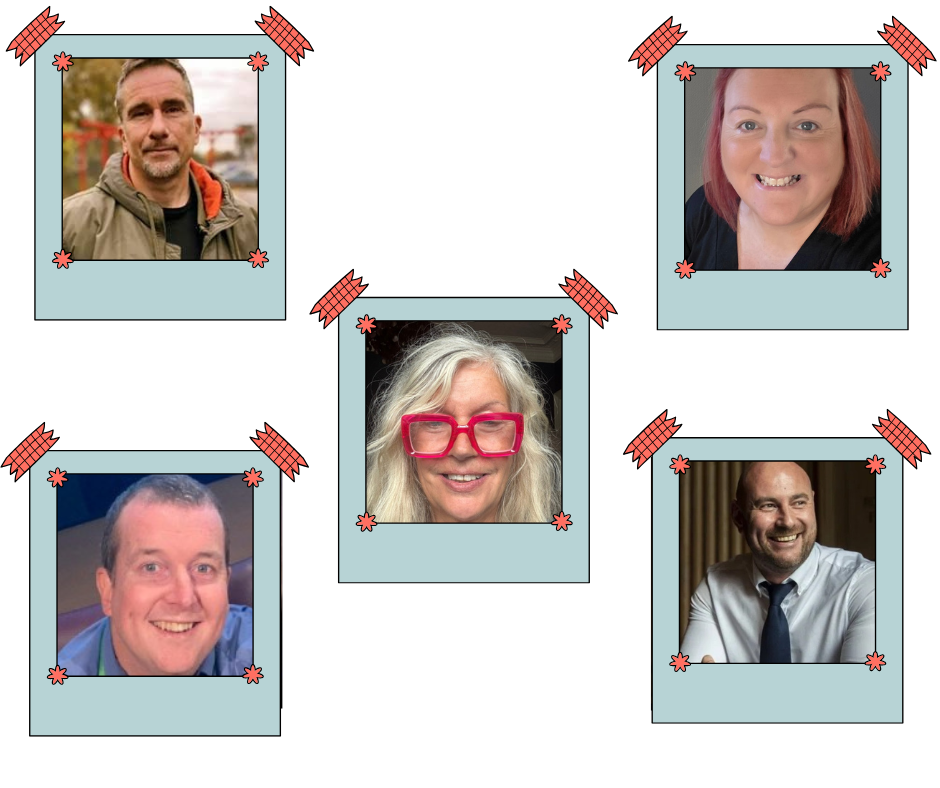
In Episode One I’m in conversation with Dr Craig Johnston, Senior Lecturer, where we explore how stigma sticks to children when they are moved out of mainstream schooling and into alternative provision and how that shift can turn a young person into a visible “case” for the system to manage. We connect Goffman’s stigma theory with liminality, class and digital life, asking what it means to be a student when the ideal pupil is the only one the system truly recognises.
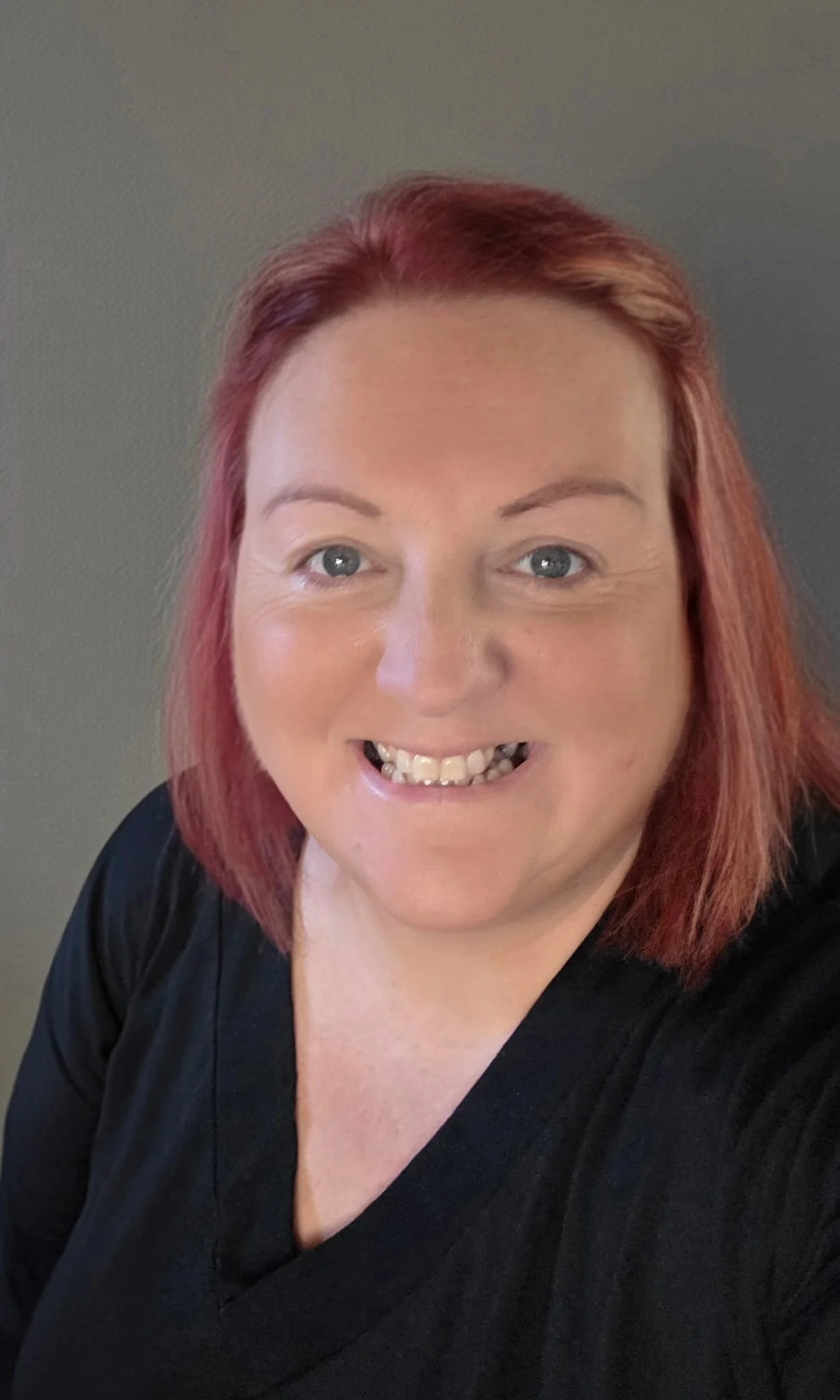
In Episode Two I’m in conversation with Emmerline Irving, Public Health Specialist, as we talk candidly about obesity & stigma and why blame-based stories in the media and in healthcare block recovery, dignity and effective treatment.
We explore obesity as a chronic, relapsing disease shaped by biology, trauma, poverty and an obesogenic environment, naming what trauma-informed support can look like in real services.

In Episode Three I’m in conversation with Grahma Chatterley, educator and parent, on how stigma shows up in SEND, from school labels to healthcare dismissal and what it costs families when professionals assume the worst. We explore trauma, regulation and how to rebuild trust so parents and services can genuinely work as a team around the child.

In Episode Four I’m in conversation with Niamh Cullen, Public Health Partnerships Manager, on stigma and addiction and why drug-related deaths are more often driven by exclusion, trauma and missed connection than by a lack of services. We trace how labels, “choice” narratives and system design quietly add harm, then map practical ways to build hope through relationships.
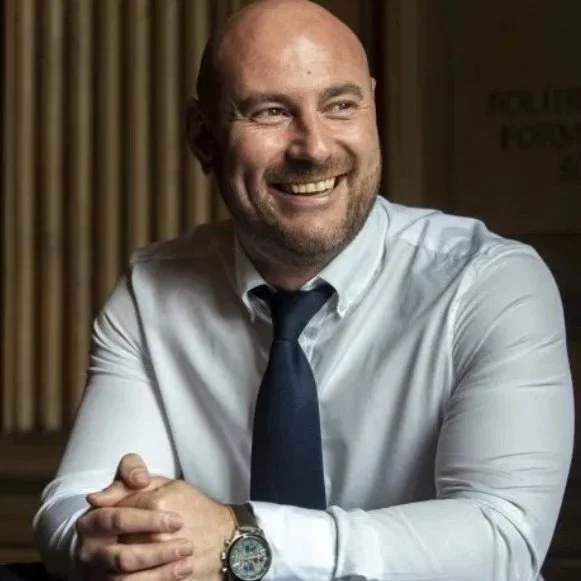
In Episode Five I’m in conversation with Andi Brierley, Lecturer, Researcher and Author, exploring how stigma in criminal justice turns labels into lifelong identities and shapes whether people feel safe to speak about their past. We connect lived experience, criminology and policy to show how stigma can block rehabilitation and make reintegration harder than it needs to be.
