
Resisting the Dilution of Trauma Informed Practice
Many of us are talking and writing about how the transformative power of trauma informed practice is being swallowed up by compliance (tick-boxing) and misunderstanding. To encourage deeper thought about this, I have recorded a 6 part series that reflects upon this through speaking to some of those leading in this space.
My 3-part series on this subject on Substack can be found here:
Part One - The Dilution of Transformative Language in Professional Practice
Part Two - Performative Promises of Institutionalising Change
Part Three - Reclaiming 'Trauma Informed' as Transformative Practice

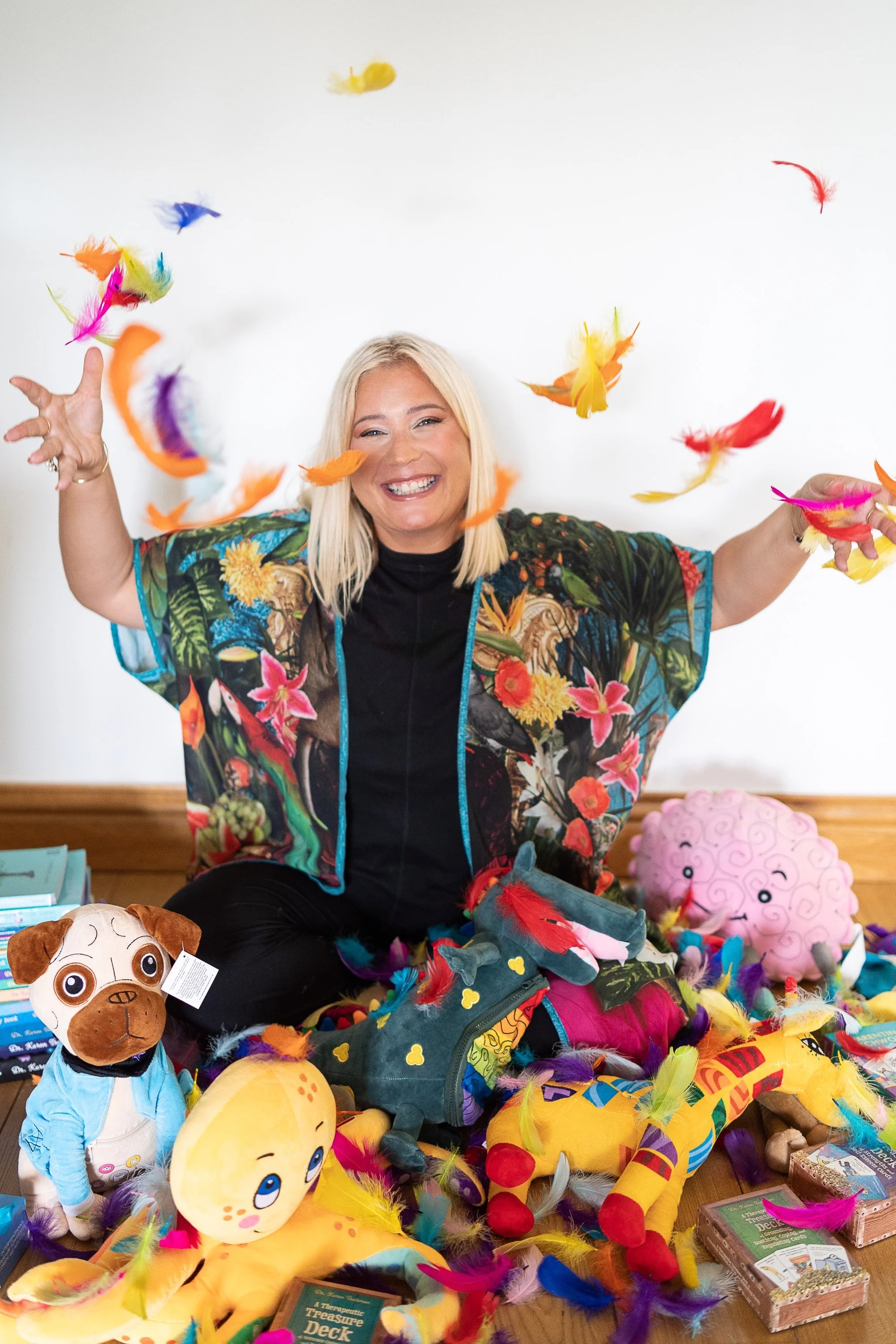
In Episode One I’m in conversation with Dr Karen Treisman, Clinical Psychologist, Trainer, Organisational Consultant and Author where together we unpack how trauma informed care gets reduced to slogans, checklists and superficial signals, while day-to-day behaviours still communicate blame, shame and disconnection. The blog post write-up is here.
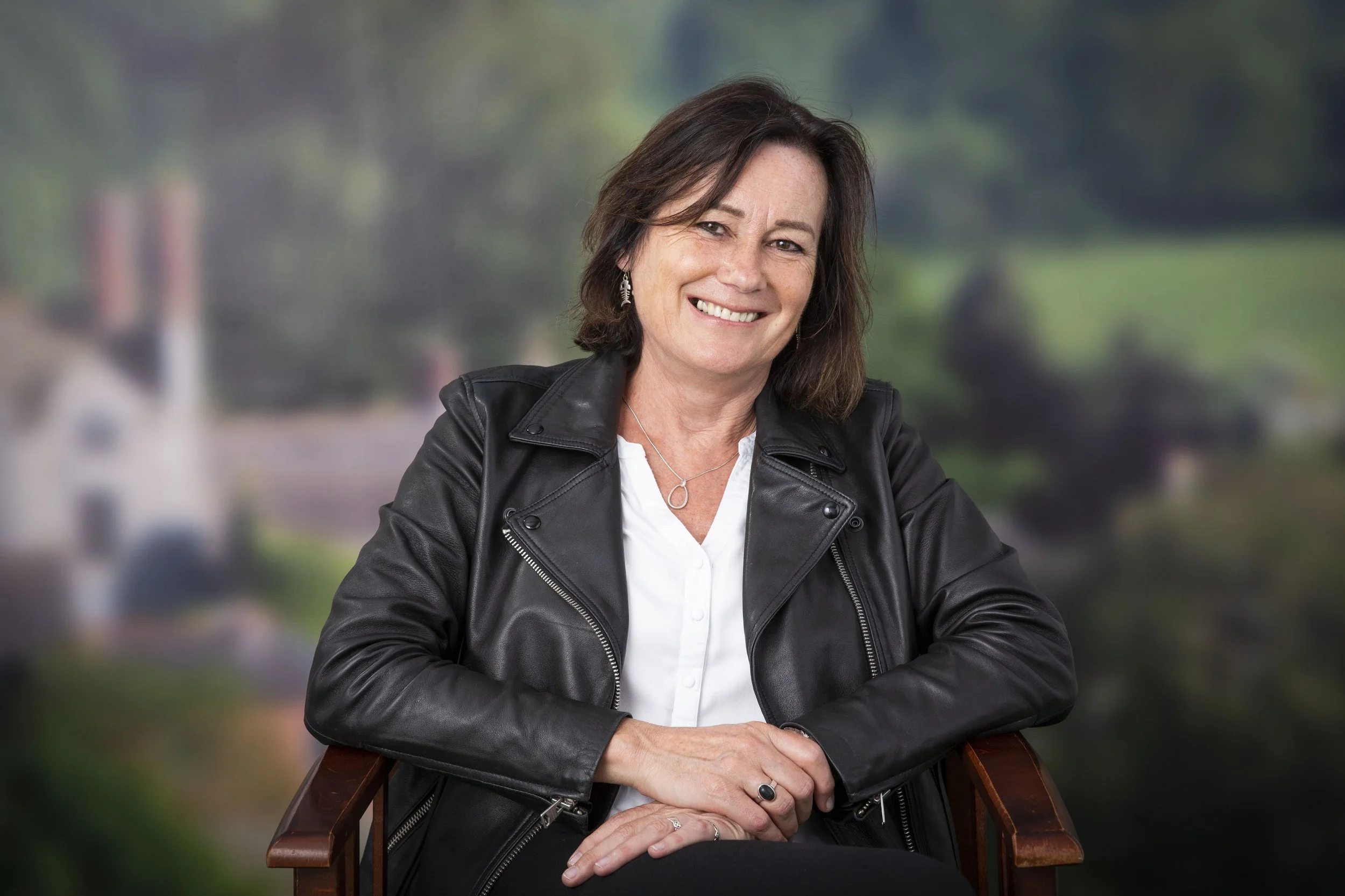
In Episode Two I’m in conversation with Dr Lucy Johnstone, consultant clinical psychologist, author and well known activist in her field, where we explore why trauma-informed practice becomes diluted when services keep diagnosis, coercion and the medical model intact. We move towards meaning-making, formulation and the Power Threat Meaning Framework as practical ways to build understanding without turning distress into disorder. The blog post write-up is here.

In Episode Three I’m in conversation with Dr Graham Music, psychotherapist, trainer, author and supervisor. Our discussion challenges a purely cognitive model of trauma training, particularly in schools. It is easy for professionals to “know” trauma in their heads while remaining disconnected in the heart and body, using knowledge as a defence against feeling. Relational practice, attachment awareness and embodied reflection turn a behavioural crisis into meaningful information, without excusing harm or lowering expectations into hopelessness. The blog post write-up is here.

In Episode Four I’m in conversation with Dr Cathy Malchiodi, psychotherapist and expressive arts therapist where we talk about expressive arts, the pandemic grief that we’re all living with yet never processed and why “DIY regulation” misses the point. Cathy also asks, what if “window of tolerance” is the wrong goal? We explore a shift towards capacity, joy, mastery and sensory connection through expressive arts therapy. The blog post write-up is here.
In Episode Five I’m in conversation with Betsy de Thierry, Psychotherapist, Author and founding Director of the Trauma Recovery Centre, where we break down a practical definition of trauma as terror, powerlessness and overwhelm and explore how that differs from stress, adversity and everyday discomfort. The blog post write-up is here.
