
Liminality as a Lens for Thinking About Belonging
I’ve been gently introducing liminality into how we think about belonging and mattering, predominately in how we consider who ‘holds us’ in liminal spaces. To encourage deeper thought about this, I have recorded a 6 part series that reflects upon this lens through speaking to different people in different contexts.
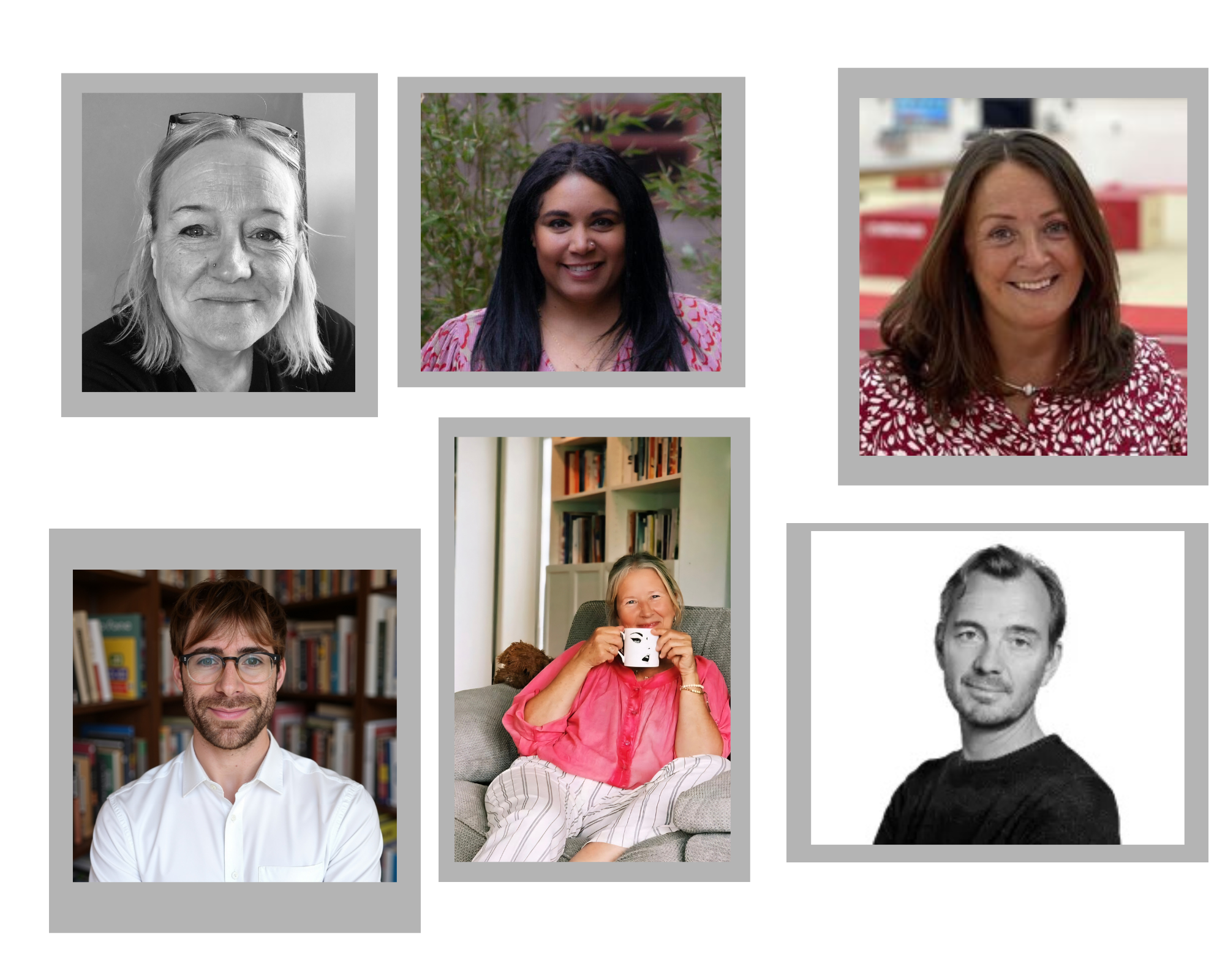

In Episode One I’m in conversation with Professor BjørnThomassen Professor in Global Political Sociology at Roskilde University, where together, we map the difference between a chosen and a forced liminal space, the craft of “ceremony masters” in today’s systems, belonging and home, showing how poorly designed services can trap people in extended liminal states.

In Episode Two I’m in conversation with Annalisa Toccara-Jones , who is a Doctoral researcher in Journalism at the University of Sheffield, a communications strategist and graduate teaching associate. We focus on liminality and adoption. We discuss tracing how identity shifts across a lifetime and why adoptees need space to hold both gratitude and grief. We look at digital communities, media myths and how to honour complexity without forcing closure and offer a lens of liminality to understand the ongoing space between first family and adoptive family.
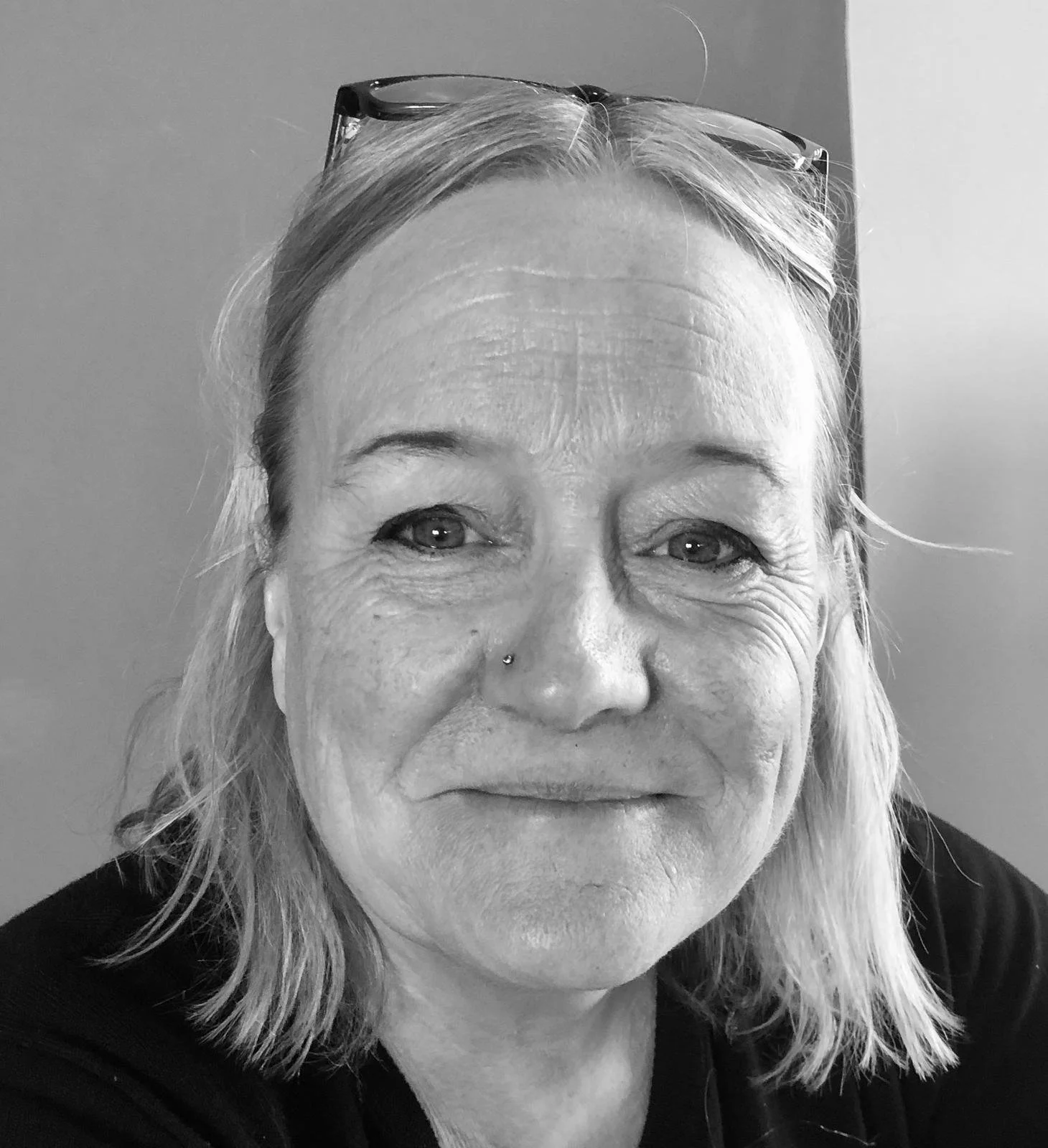
In Episode Three I’m in conversation with Tracey Smith an experienced teacher, head teacher and exectuive head teacher who also oversees teacher training and supervision at the University of Buckingham. We explore how liminal transitions shape teacher identity, belonging and retention, with a focus on working class teachers navigating middle class norms. Stories, theory and practical steps show how mentoring, culture and values-based leadership turn the uncertainty of a liminal space into growth and transformation.

In Episode Four I’m in conversation with Geraldine Costello who is Director of Governance and Safe Sport at British Gymnastics. We look at the liminal space between work cultures focusing on her learning from the police to gymnastics. What happens when a career built on command and certainty collides with a mission that depends on trust, listening and repair? We explore how safeguarding shifts from policy to lived practice when survivors are heard and institutions choose to change.

In Episode Five I’m in conversation with Dr Jo Taylor who is a Child and Educational Psychologist and Director of Constellations Psychology. We explore liminality as a human constant and argue why compassion is not optional when lives sit between identities, roles and outcomes. From school supervision rooms to street-level tensions, we share tools to widen safety, practise care and make change sustainable.

And finally, Episode Six where I’m in conversation with Nikki Leader who is a psychic medium, a spiritual development teacher, a sound therapist and a Soul Plan Reader. We explore liminality in the world between worlds, tracing how trauma can open intuition and how small rituals help us cross from fear to becoming. We reflect on trauma as a portal to intuition and change and rituals as bridges for separation, transition and integration.
Creating, cultivating and hosting this series was not only deeply enjoyable, but it really helped me to think about liminality in broader contexts. I hope that this is what this series gives you too… and so much more!
* All the links are to Buzzsprout, but you can listen to the podcast wherever you listen to podcasts by searching for “Trauma Resonance Resilience” in your search engine.
