
Adult’s Books About Belonging and Mattering
Having written a post on children’s books about belonging and mattering, I thought why not compile a list for adults! Belonging and mattering remains central to our human experience throughout our lives. Whether exploring these ideas through the intimate lens of personal narrative or the sweeping scope of fiction, books about belonging help us understand our deep need for connection and our inherent need to believe that we matter. The fiction titles offer mirrors and windows into diverse experiences of searching for home and acceptance, whilst the non-fiction books provide frameworks for understanding why belonging matters and how we can cultivate it in our lives and communities. Together, these books affirm the accepted understanding that the longing to belong and the need to matter are universal human experiences.
NOTE - I’ll start with 5 books in fiction then move on to 5 books in non-fiction. I haven’t added links to the books, leaving you to choose where to purchase them from. This is just a small selection of books available exploring themes of belonging and mattering.
1. The Vanishing Half by Brit Bennett
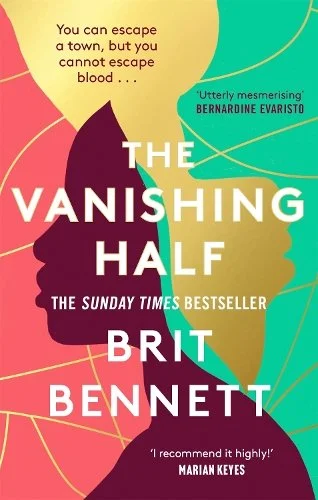
Twin sisters Stella and Desiree Vignes grow up in a small, southern Black community but choose vastly different paths, one passing as white and disappearing into a new life, the other returning home. This luminous novel explores identity, race and the communities we choose or reject across generations. Bennett examines how the need to belong can drive people to erase fundamental parts of themselves, and asks whether we can truly matter to others when we're living a lie. Across generations, the novel reveals that belonging built on deception creates a hollow existence, whilst authentic connection, even when complicated by pain and difference, offers the only genuine path to mattering.
Bennett, B. (2020). The Vanishing Half. London: Dialogue Books.
2. Small Island by Andrea Levy
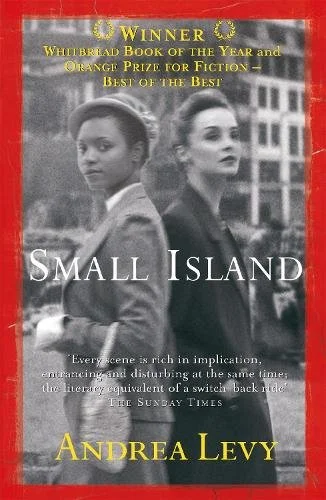
This award-winning novel weaves together the stories of Hortense and Gilbert, Jamaican immigrants who arrive in post-war London full of hope and their reluctant English landlords Queenie and Bernard. Levy brilliantly captures the clash between the immigrants' expectations of the "Mother Country" and the hostile reality they encounter. The novel explores what it means to belong in Britain when you're treated as a perpetual outsider, despite your service to the Empire. It's a powerful examination of identity, race and the painful process of making a home in a place that doesn't want you.
Levy, A. (2004). Small Island. London: Headline Review.
3. The Buddha of Suburbia by Hanif Kureishi (I’m showing my age with this one!)
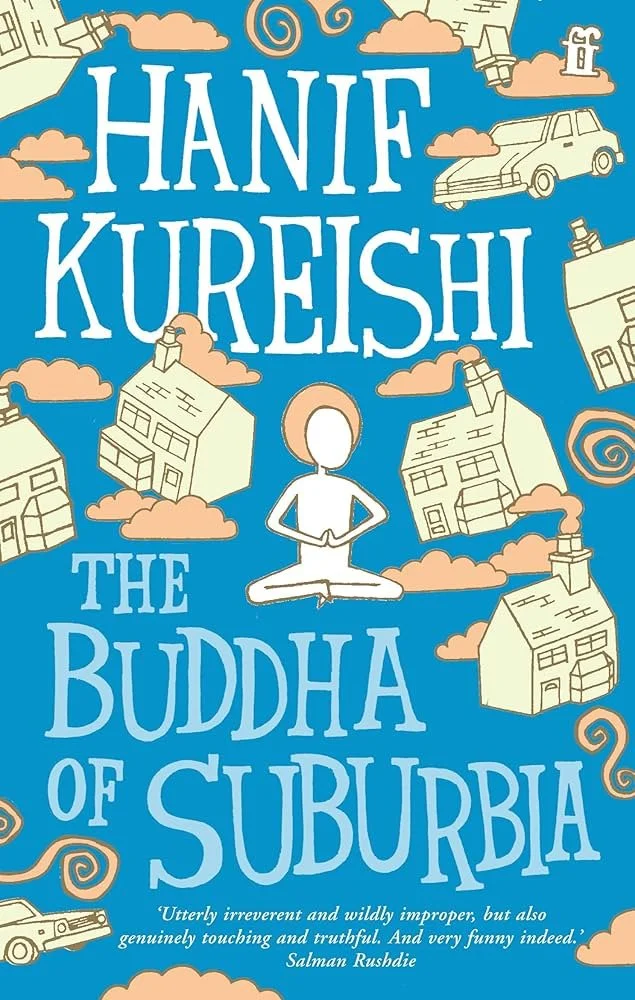
Karim Amir, a mixed-race teenager in 1970s suburban London, navigates his identity as the son of an English mother and Indian father. As he pursues acting and explores London's counterculture, Karim grapples with questions of authenticity, racial identity and where he fits in a society that sees him as perpetually other. Kureishi's darkly comic novel captures the particular alienation of growing up between cultures in Thatcher's Britain and the creative ways people forge identities when they belong nowhere completely.
Kureishi, H. (1990). The Buddha of Suburbia. London: Faber and Faber.
4. NW by Zadie Smith

This experimental novel follows four Londoners from the Caldwell housing estate in northwest London as their lives intersect across class and racial lines. Smith explores how our origins shape us and whether we can ever truly escape or belong in a different class or community than where we started. The novel asks whether social mobility means losing your original sense of belonging and examines the invisible barriers that keep people in their designated places. It's a formally inventive exploration of contemporary London and the communities within it.
Smith, Z. (2012). NW. London: Hamish Hamilton.
5. Prophet Song by Paul Lynch
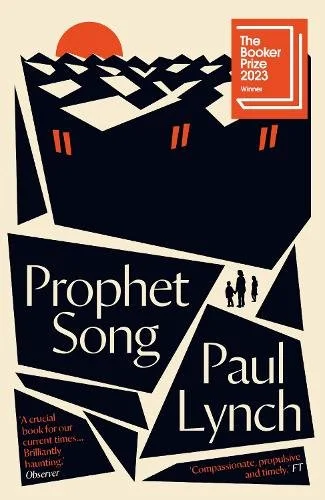
This dystopian novel, winner of the 2023 Booker Prize, follows Eilish Stack, a scientist and mother of four in a near-future Ireland that has descended into totalitarianism. As her husband disappears and the state tightens its grip, Eilish must decide whether to flee or stay in the only home she's ever known. Lynch's haunting prose explores what happens when the place you belong becomes unrecognisable alongside the terrible choice between homeland and safety. It's a timely meditation on displacement, the refugee experience and what we lose when we're forced to leave everything we know.
Lynch, P. (2023). Prophet Song. London: Oneworld Publications.
6. The Good Immigrant edited by Nikesh Shukla
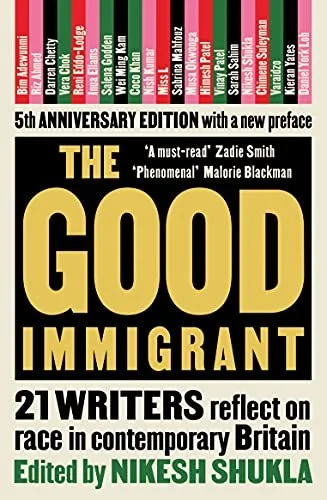
This essay collection features 21 British writers of colour exploring what it means to be "other" in Britain today. Contributors including Riz Ahmed, Chimamanda Ngozi Adichie (writing about Britain), and Reni Eddo-Lodge who examine identity, race and belonging from deeply personal perspectives. The essays tackle everything from being the only brown person in the village to navigating British Pakistani identity to the microaggressions that signal to you that you don't quite belong. It's an essential collection for understanding contemporary British identity and the experiences of those constantly asked "yeah but, where are you really from?"
Shukla, N. (Ed.). (2016). The Good Immigrant. London: Unbound.
7. Shuggie Bain by Douglas Stuart
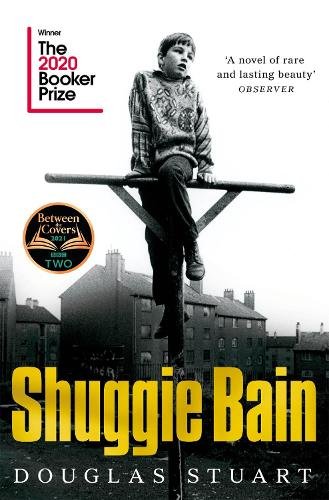
Whilst technically fiction, Stuart's debut novel reads like memoir in its devastating portrayal of a boy growing up gay in 1980s Glasgow with an alcoholic mother. Shuggie's devotion to his mother and his difference from other boys make him an outsider in his rough working-class community. The novel explores how poverty, addiction and prejudice determine who gets to belong and who matters in a society that has abandoned those that need community the most. It's a heartbreaking but beautiful examination of love, loyalty and the margins of society.
Stuart, D. (2020). Shuggie Bain. London: Picador.
8. Belonging: The Science of Creating Connection and Bridging Divides by Geoffrey L. Cohen
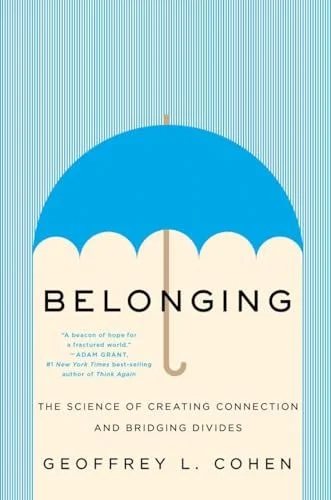
Stanford psychologist Geoffrey Cohen draws on decades of research in social psychology to examine what creates belonging and what undermines it. He explores how small interventions like values affirmation exercises or changing narratives about groups can dramatically affect students' sense of belonging and academic achievement. Cohen provides evidence-based frameworks for understanding how belonging works in schools, workplaces and communities, and offers practical strategies for creating more inclusive environments. This rigorous academic work bridges theory and practice, making complex research accessible whilst maintaining scholarly depth.
Cohen, G.L. (2022). Belonging: The Science of Creating Connection and Bridging Divides. New York: W.W. Norton.
9. How People Matter: Why it Affects Health, Happiness, Love, Work and Society by Isaac Prilleltensky and Ora Prilleltensky
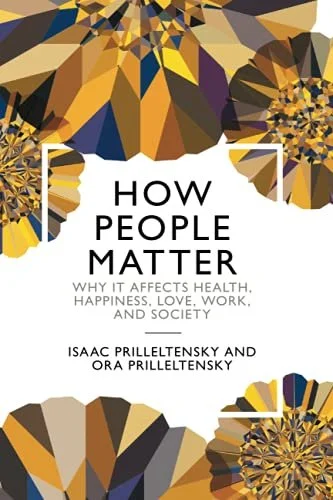
Psychologists Isaac and Ora Prilleltensky develop a comprehensive framework for understanding mattering, the feeling that we are significant to others and the world around us. Drawing on psychological research, they distinguish between feeling valued, adding value and being treated fairly, arguing that all three are essential to mattering. The book examines mattering across different life domains, family, work and community, and provides evidence-based strategies for cultivating mattering in ourselves and others. This scholarly yet accessible work fills a gap in the literature by focusing specifically on mattering as a distinct psychological construct essential to well-being.
Prilleltensky, I., & Prilleltensky, O. (2021). How People Matter: Why It Affects Health, Happiness, Love, Work, and Society. Cambridge: Cambridge University Press.
10. Weaving a Web of Belonging: Creating a Trauma-Informed Culture for All Children by Lisa Cherry
OK… so this one’s my own book. But of course it needs to be in this list! I’ve used a review written by someone else…
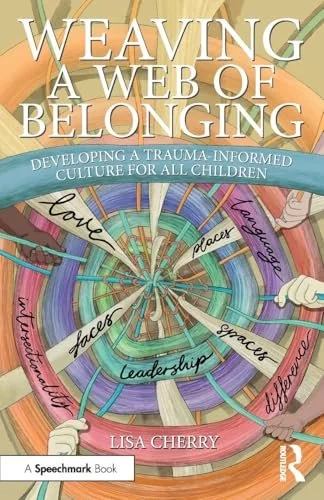
Lisa Cherry offers a comprehensive guide to creating environments where all children feel they belong and matter, particularly those who have experienced trauma. Drawing on attachment theory, neuroscience and her extensive practice experience, Cherry presents the metaphor of "weaving" to describe how adults can create networks of connection and safety around vulnerable children. She provides practical strategies for schools, foster carers and professionals working with children to build trauma-informed cultures that prioritise relationships, safety and belonging. This recent publication is essential reading for anyone committed to ensuring that every child knows they matter and has a place where they truly belong.
Cherry, L. (2025). Weaving a Web of Belonging: Creating a Trauma-Informed Culture for All Children. Oxford: Routledge
*Fancy writing your own book? Join me on 3rd March 2026. Find out more HERE.
